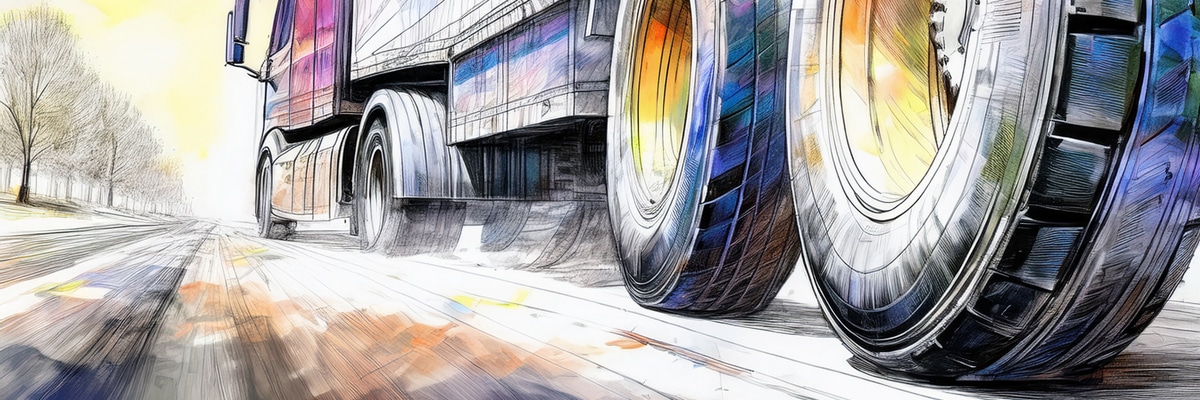
Why Truck Tyre Pressure is Critical for Performance and Profitability

Truck tyre pressure monitoring is a vital part of modern commercial transport. It plays a key role in safety, efficiency, and compliance—yet many overlook it, even if a TPMS system is fitted. Underinflated tyres lead to increased fuel costs, faster wear, and dangerous roadside breakdowns. Overinflated tyres reduce handling control and overall grip.
The Cost of Ignoring Truck Tyre Pressure Monitoring
Even a modest drop in pressure can have a major impact. Tyres running just 20% under their recommended pressure can lose up to 25% of their lifespan.
Under-inflated tyres increase rolling resistance, forcing the engine to work harder. This leads to higher fuel consumption—around a 1% increase for every 10 psi below the correct level. They also generate excessive heat, which can result in sidewall damage or blowouts. Over time, underinflation causes uneven tread wear and shortens tyre life, increasing replacement costs.
Equally, over-inflated tyres reduce the contact patch with the road, diminishing grip and causing wear along the centre of the tread.
How to Ensure Correct Pressure
To avoid these issues, ask an experienced service provider to create a schedule and advise on the correct pressure. This means balancing the vehicle manufacturer’s recommended pressure values (found on the tyre placard, in the vehicle handbook, or technical datasheet), with tyre manufacturer recommendations and the service provider’s experience of the tyres in operation.
Best Practices for Operators
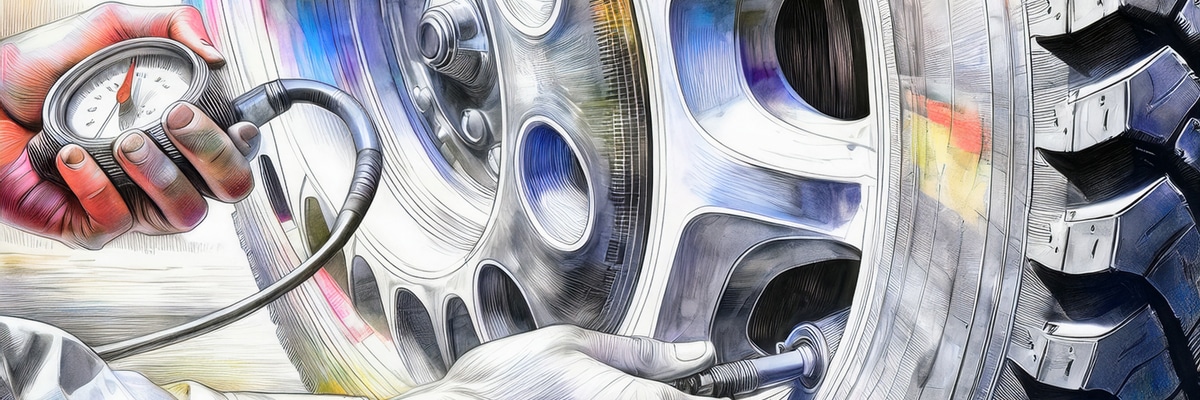
Drivers should check tyre pressure regularly and include it in their daily walkaround inspections. The best time to measure pressure is when tyres are cold, as warm tyres can give misleading readings.
Drivers also need to inspect tyres visually for signs of deflation, bulging sidewalls, or embedded debris. Consistent over- or under-inflation leaves visible patterns in tread wear—an early warning sign that needs immediate attention.
Compliance and Inspection Risks
Failing to maintain proper tyre pressure not only reduces performance but can also result in the vehicle being taken off the road during roadside inspections. This leads to serious delays and financial penalties.
Long-Term Savings Through Good Pressure Practice
Tyres are a major investment. By maintaining correct pressure, operators get more mileage, fewer failures, and longer casing life—especially valuable if tyres are retreaded.
Correctly inflated tyres wear evenly, grip better, and improve fuel economy. They also reduce the risk of damage from potholes or debris. All of this adds up to lower operating costs and fewer interruptions.
Final Thoughts
Tyre pressure might seem like a small detail, but it has a major impact on vehicle safety, efficiency, and cost control. Fleet operators, drivers, and service providers all share responsibility for regular inspections.
Correct pressure supports proper handling, braking, and tyre load capacity, which is especially important in demanding conditions or when carrying heavy loads.
Consistent truck tyre pressure monitoring, regular inspections, and basic best practices go a long way in protecting both your business and your drivers—and reducing downtime.